 Tesehki Rocke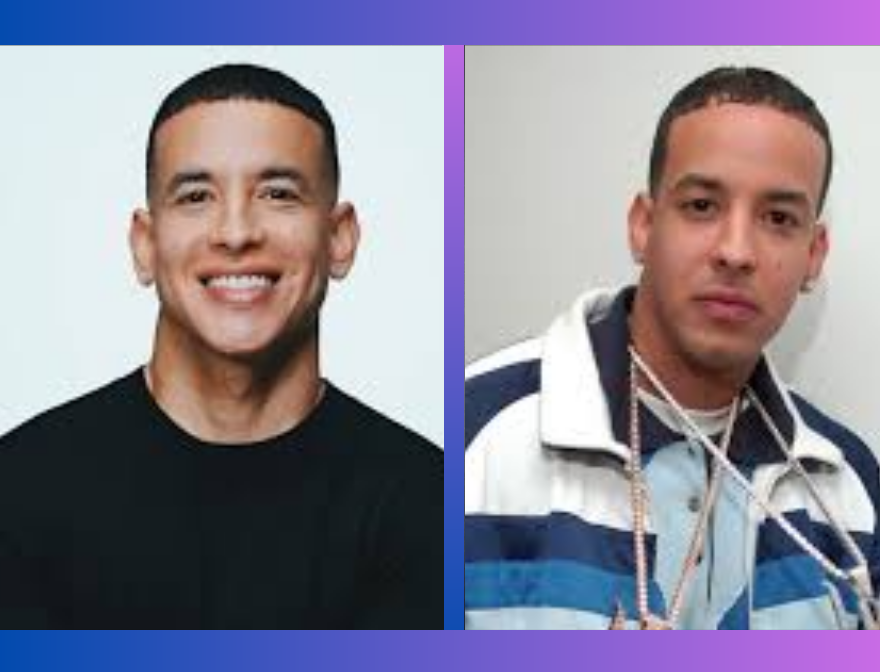
Daddy Yankee, born Ramón Luis Ayala Rodríguez, stands as one of the most influential figures in modern Latin music. Widely celebrated as the “King of Reggaeton,” he transformed an underground Caribbean sound into a global cultural movement. From the streets of San Juan, Puerto Rico, to the world’s largest stages, his journey reflects resilience, creativity, and cultural pride. Daddy Yankee’s music not only reshaped the Latin urban genre but also opened international doors for Spanish-language artists. Through decades of innovation, chart-topping hits, and cultural leadership, he became a symbol of perseverance and authenticity. This biography explores his early life, musical evolution, global success, personal values, and enduring impact on music and popular culture.
| Field | Details |
|---|---|
| Full Name | Ramón Luis Ayala Rodríguez |
| Stage Name | Daddy Yankee |
| Date of Birth | February 3, 1976 |
| Age | 50 years |
| Birthplace | San Juan, Puerto Rico |
| Nationality | Puerto Rican |
| Profession | Rapper, Singer, Songwriter, Producer |
| Genres | Reggaeton, Latin Urban, Hip-Hop |
| Famous Title | King of Reggaeton |
| Years Active | 1990s – 2022 |
| Debut Album | No Mercy (1995) |
| Breakthrough Song | Gasolina |
| Parents | Rosa Rodríguez, Ramón Ayala |
| Marital Status | Divorced |
| Spouse | Mireddys González (m. 1995–2025) |
| Children | Yamilet Ayala González, Jeremy Ayala González, Jesaeelys Ayala González |
| Languages | Spanish, English |
| Religion / Faith | Christian (publicly expressed faith) |
| Known For | Popularizing reggaeton worldwide |
| Business Ventures | Music production, brand endorsements, entrepreneurship |
| Retirement | Officially retired from music |
| Legacy | Global icon who shaped modern Latin music |
Early Life and Family Background of Daddy Yankee
Daddy Yankee was born on February 3, 1976, in San Juan, Puerto Rico, to Rosa Rodríguez and Ramón Ayala. Raised in a working-class environment, he grew up surrounded by the vibrant sounds of Caribbean music and the realities of urban life. His father worked in the music industry as a percussionist, which subtly introduced him to rhythm and performance at an early age. However, his childhood was not without hardship, as violence and social challenges were common in his neighborhood. These early experiences deeply shaped his lyrical themes, often reflecting struggle, ambition, and hope. From a young age, Daddy Yankee displayed determination and discipline, qualities that would later define his professional career.
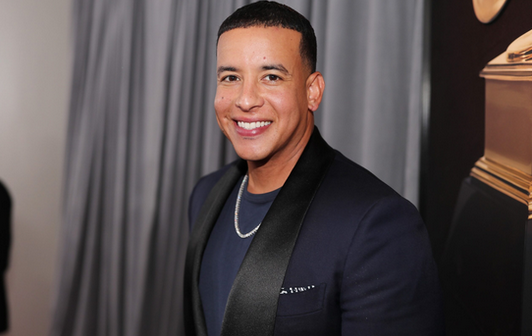
Dreams of Baseball and a Life-Changing Turning Point
Before music became his destiny, Daddy Yankee aspired to be a professional baseball player. He trained seriously and dreamed of joining Major League Baseball, viewing sports as a path to success and stability. However, his life took a dramatic turn when he was struck by a stray bullet during a studio recording session. The injury permanently ended his baseball ambitions, forcing him to reconsider his future. While devastating at the time, this incident became a defining moment. During recovery, he focused entirely on music, channeling his frustration and resilience into creativity. This unexpected setback redirected his path and ultimately gave rise to one of the most influential careers in Latin music history.
Musical Beginnings and Entry into the Underground Scene
In the early 1990s, Daddy Yankee immersed himself in Puerto Rico’s underground music scene, a melting pot of reggae en español, hip-hop, and Caribbean rhythms. He began experimenting with lyrical flow, rhythmic patterns, and street-inspired storytelling. His early collaborations helped him gain recognition among local audiences, even before mainstream acceptance of reggaeton. During this period, the genre faced criticism and censorship, yet Daddy Yankee remained committed to his vision. He viewed music as a voice for marginalized communities and a reflection of real urban experiences. These formative years allowed him to refine his style, develop confidence, and build a loyal fan base that believed in his authenticity.
Rise of Reggaeton and the Birth of a Global Sound
As reggaeton evolved, Daddy Yankee emerged as one of its most dynamic pioneers. He played a critical role in shaping the genre’s identity, blending infectious beats with catchy hooks and relatable lyrics. His ability to balance street credibility with mainstream appeal set him apart from his peers. Reggaeton gradually moved from underground clubs to radio stations, fueled by its danceable rhythms and cultural energy. Daddy Yankee became a central figure in this transformation, often collaborating with producers and artists who shared his ambition. His early albums laid the groundwork for reggaeton’s international expansion, positioning him as both an innovator and a cultural ambassador for Puerto Rican music.
Breakthrough Success with “Gasolina”
The release of “Gasolina” marked a historic turning point in Daddy Yankee’s career and in Latin music overall. The song’s infectious rhythm and bold energy captivated listeners across language barriers. It became one of the first reggaeton tracks to achieve massive global airplay, introducing the genre to audiences worldwide. “Gasolina” was more than a hit; it was a cultural phenomenon that redefined perceptions of Spanish-language urban music. The success catapulted Daddy Yankee into international stardom, earning him critical acclaim and commercial recognition. This breakthrough proved that reggaeton could thrive on a global scale without compromising its roots.
Albums, Hits, and Continued Musical Evolution
Following his breakthrough, Daddy Yankee released a series of successful albums that showcased his versatility and artistic growth. He consistently experimented with new sounds while staying true to reggaeton’s essence. His music evolved alongside changing trends, incorporating elements of pop, electronic, and hip-hop influences. Despite shifts in the industry, he maintained relevance through innovation and adaptability. Each album reflected his understanding of audience expectations and cultural timing. By balancing commercial appeal with authenticity, Daddy Yankee solidified his position as a leader in Latin urban music. His catalog became a blueprint for aspiring artists seeking longevity and global impact.
Global Collaborations and Cross-Cultural Influence
Daddy Yankee’s influence expanded through strategic collaborations with international artists across genres. These partnerships helped bridge cultural gaps and brought reggaeton into new musical spaces. By collaborating with pop, hip-hop, and electronic artists, he broadened the genre’s reach while introducing global audiences to Latin rhythms. His collaborative spirit demonstrated that music could transcend language and geography. Each partnership strengthened his reputation as a versatile and open-minded artist. Through these global connections, Daddy Yankee played a vital role in integrating reggaeton into mainstream popular culture, ensuring its presence on international charts and festivals.
Awards, Recognition, and Industry Impact
Throughout his career, Daddy Yankee received numerous awards recognizing his artistic excellence and cultural contributions. His accolades span music charts, industry honors, and cultural recognitions. These achievements reflect not only commercial success but also his influence on shaping modern Latin music. He became a role model for Hispanic artists seeking global recognition while maintaining cultural authenticity. Beyond trophies, his impact is evident in the countless artists who cite him as an inspiration. Daddy Yankee’s legacy lies in his ability to open doors, challenge stereotypes, and elevate reggaeton to a respected and celebrated genre worldwide.
Business Ventures and Entrepreneurial Vision
Beyond music, Daddy Yankee demonstrated sharp business acumen through various entrepreneurial ventures. He understood the importance of brand building and diversification in sustaining long-term success. From merchandise to endorsements, he carefully aligned his brand with authenticity and quality. His ventures reflected his understanding of market trends and audience loyalty. By expanding beyond music, he positioned himself as a multifaceted entrepreneur and cultural icon. This strategic mindset not only increased his financial stability but also reinforced his influence in entertainment and business circles, proving that artists can thrive creatively while maintaining control over their careers.
Personal Life, Marriage, and Family Values
Despite global fame, Daddy Yankee maintained a strong commitment to family and personal values. He married Mireddys González in 1995, and together they built a long-lasting partnership that supported his career. The couple has three children: Yamilet, Jeremy, and Jesaeelys Ayala González. Daddy Yankee often emphasized the importance of privacy, respect, and stability in his personal life. His family played a crucial role in grounding him amid the pressures of fame. Even after their marriage ended in 2025, he continued to express gratitude for the shared journey and family foundation they created.
Faith, Discipline, and Personal Transformation
In recent years, Daddy Yankee openly discussed his spiritual journey and personal transformation. Faith became a central pillar in his life, influencing his decisions and outlook. He spoke about finding purpose beyond fame and material success, emphasizing gratitude and humility. This transformation resonated deeply with fans, revealing a more introspective and reflective side of the artist. His discipline and commitment to personal growth mirrored the same dedication he showed in his music career. By sharing this journey, Daddy Yankee inspired audiences to seek balance, purpose, and meaning beyond external achievements.
Retirement Announcement and Career Reflection
When Daddy Yankee announced his retirement from music, it marked the end of an era for reggaeton. The decision was met with both celebration and nostalgia, as fans reflected on decades of unforgettable music. Rather than fading away, his retirement felt like a thoughtful conclusion to a legendary journey. He expressed gratitude to supporters who stood by him from the beginning. This moment highlighted his awareness of legacy and timing, choosing to step back while still respected and admired. His retirement underscored the importance of knowing when to close a chapter with dignity and fulfillment.
Cultural Legacy and Influence on Future Artists
The cultural legacy of Daddy Yankee extends far beyond hit songs and awards. He helped normalize Spanish-language music in global markets and empowered Latin artists to embrace their identity proudly. His influence is evident in the new generation of reggaeton and Latin urban performers who credit him as a trailblazer. By staying authentic while evolving creatively, he set a standard for artistic integrity. Daddy Yankee’s work reshaped global perceptions of Latin music, proving that cultural specificity can achieve universal appeal. His legacy continues through the artists and fans inspired by his groundbreaking career.
Daddy Yankee as a Global Cultural Icon
Today, Daddy Yankee is recognized not just as a musician, but as a global cultural icon. His image represents perseverance, innovation, and cultural pride. From fashion to language, his influence permeated multiple aspects of popular culture. He became a symbol of Latin excellence on the world stage, demonstrating that success does not require abandoning one’s roots. His story resonates with audiences worldwide because it reflects universal themes of struggle, ambition, and triumph. Daddy Yankee’s name remains synonymous with reggaeton’s rise and its lasting presence in global music culture.
Conclusion
The story of Daddy Yankee is one of resilience, vision, and lasting influence. From a young dreamer in Puerto Rico to the undisputed King of Reggaeton, his journey transformed Latin music forever. Through innovation, discipline, and authenticity, he built a career that transcended language and borders. His music united cultures, inspired generations, and reshaped the global music industry. Even in retirement, his legacy continues to shape the future of reggaeton and Latin urban music. Daddy Yankee’s life reminds us that challenges can become opportunities, and true success lies in staying faithful to one’s roots while embracing growth and change.
Frequently Asked Questions (FAQs)
Who is Daddy Yankee?
Daddy Yankee is a Puerto Rican rapper, singer, and songwriter, widely known as the King of Reggaeton for his global influence on the genre.
What is Daddy Yankee’s real name?
His real name is Ramón Luis Ayala Rodríguez.
When and where was Daddy Yankee born?
He was born on February 3, 1976, in San Juan, Puerto Rico.
Why is Daddy Yankee called the King of Reggaeton?
He earned the title due to his pioneering role, global success, and lasting influence in popularizing reggaeton worldwide.
Is Daddy Yankee married?
He was married to Mireddys González from 1995 to 2025, and they share three children.
Has Daddy Yankee retired from music?
Yes, Daddy Yankee officially announced his retirement, marking the conclusion of his legendary music career.
Get more updates or Stories on Tesehki Mag