 Tesehki Rocke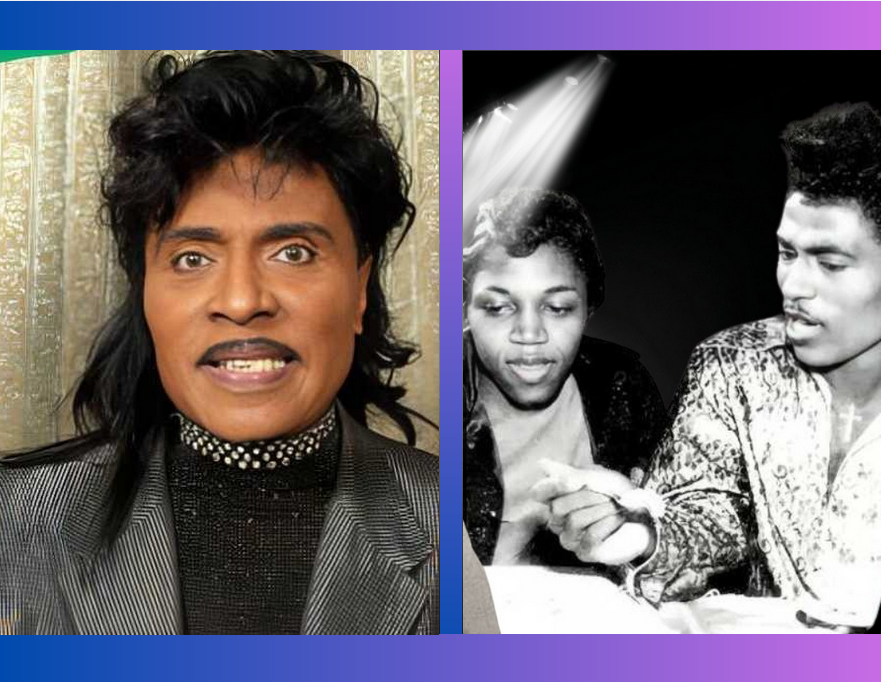
Ernestine Harvin was a woman whose name rarely reached the headlines, yet her life became entwined with one of the most iconic figures in music history. Best known as the former wife of rock and roll pioneer Little Richard and the adoptive mother of Danny Jones Penniman, Harvin’s story reveals a life lived largely away from fame’s glare. While history remembers Little Richard’s flamboyant performances and seminal songs, Ernestine Harvin’s quiet strength, grace, and resilience offer a human story beneath the gloss of celebrity. Her journey from everyday life to a brief role in rock history highlights how private lives intersect with public legacies in unexpected ways.
| Field | Details |
|---|---|
| Full Name | Ernestine Harvin |
| Date of Birth | October 31, 1935 |
| Place of Birth | United States |
| Nationality | American |
| Known For | Former wife of Little Richard |
| Famous Ex-Husband | Little Richard (Richard Wayne Penniman) |
| Marriage Date | July 12, 1959 |
| Divorce Year | 1964 |
| Children | Danny Jones Penniman (Adopted) |
| Biological Children | None publicly known |
| Parental Role | Adoptive mother and family support figure |
| Occupation | Secretary (Worked in Washington, D.C.) |
| Marital Status | Married (later remarried to McDonald Campbell in 1975) |
| Second Marriage | McDonald Campbell |
| Lifestyle | Private, low-profile |
| Public Appearances | Rare |
| Social Media Presence | None |
| Religion | Christianity (associated through evangelical circles) |
| Famous Association Era | Late 1950s–early 1960s |
| Date of Death | May 9, 2010 |
| Age at Death | 74 years |
| Legacy | Remembered for dignity, privacy, and quiet strength |
Early Life and Background of Ernestine Harvin
Ernestine Harvin was born on October 31, 1935, in the United States. Details about her early childhood and family background remain largely private, reflecting the reserved nature she maintained throughout her life. What is known is that Harvin grew up grounded in everyday American life, well before she ever came into proximity with fame. She pursued her education diligently and later worked in professional settings, including as a secretary in Washington, D.C., where she built a reputation for professionalism and steadiness. Her early years were defined by normal routines and ambitions, a stark contrast to the extraordinary life she would briefly touch upon through marriage and association.
Meeting Little Richard: A Turning Point
Harvin’s life changed dramatically in 1957 when she met Richard Wayne Penniman, better known asLittle Richard, at an evangelical rally in California. Little Richard was an emerging musical force, blending gospel vigor with rhythm and blues, soon to transform into the flamboyant architect of rock and roll. Their meeting marked the beginning of a courtship that stood apart from their very different worlds. Harvin, with her reserved personality, and Little Richard, with his striking stage presence, forged a relationship rooted in both companionship and contrasting life paths. This connection would lead them into a brief but transformative chapter.
Marriage to Little Richard and Public Attention
On July 12, 1959, Ernestine Harvin married Little Richard, stepping into a very public role as the wife of a rising music legend. Their marriage lasted approximately five years before ending in divorce in 1964. During this time, Harvin experienced firsthand the intense attention and unique pressures that surrounded a celebrity figure like Little Richard. While their union initially appeared harmonious, living with someone whose life was consumed by tours, music studios, and a burgeoning public image brought challenges. Harvin later attributed the strains of fame and Little Richard’s demanding lifestyle as contributing factors to their eventual separation.
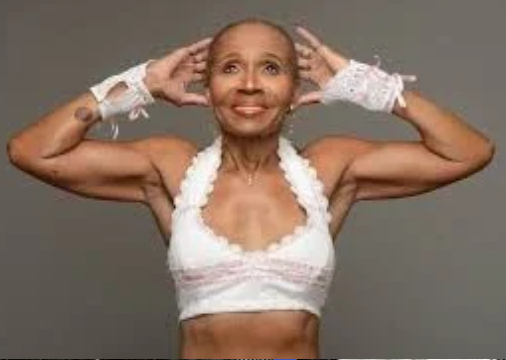
Life With Little Richard: Balancing Life and Fame
As Little Richard’s star continued its ascent during the late 1950s and early 1960s, Harvin found herself navigating life at the intersection of ordinary and extraordinary. Rather than reveling in the spotlight, she maintained a private stance, preferring to stay out of the limelight despite her proximity to a major cultural figure. Their marriage, while under public scrutiny, was also marked by moments of personal intimacy less visible to the outside world. Harvin’s own professional life and grounded identity helped her temper the tumultuous pace of celebrity life, even as it eventually proved unsustainable as a long-term partnership.
Adoption of Danny Jones Penniman
Although Ernestine Harvin and Little Richard had no biological children together, a significant chapter in their lives involved adopting a young boy named Danny Jones Penniman. In 1984, Little Richard formally brought Danny into their family, offering him stability and opportunity after the loss of his biological father. Danny grew up close to Little Richard and often traveled with him, even serving in support roles during tours and performances. Harvin’s role as a mother figure in this unconventional family dynamic reflects her compassion and deep sense of responsibility. While much of Little Richard’s relationship with Danny is part of music-history lore, Harvin’s presence as a supportive adoptive mother stands as a meaningful dimension of her life story.
Challenges and Divorce: When Paths Diverge
The marriage between Ernestine Harvin and Little Richard ultimately ended in divorce in 1964. Reports indicate both personal differences and the pressures of fame played a role in their separation. For Harvin, the experience of sharing life with someone constantly in motion — performing, recording, and under media attention — was a heavy burden. Little Richard, in turn, cited factors such as lifestyle differences and personal struggles as reasons for the union’s dissolution. The end of their marriage marked a return to privacy for Harvin, even as Little Richard’s career continued to evolve. Their divorce stands as a reminder that love and art do not always follow the same rhythm.
Life After Divorce: Rediscovering Identity
Following her separation from Little Richard, Ernestine Harvin made a conscious decision to step back from public life. She remarried in 1975, becoming the wife of McDonald Campbell in Santa Barbara, California. This new chapter signified a renewed focus on personal life, free from the bright lights and distractions that had characterized her first marriage. Harvin embraced her privacy fervently, choosing to nurture a life far removed from celebrity throws. Her second marriage and ongoing life away from media scrutiny underscore a commitment to personal values and peace — a stark contrast to the whirlwind world she once briefly inhabited.
Legacy and Personal Impact
Though Ernestine Harvin was never a household name like her former husband, her legacy lies in her quiet dignity and resilience. She personified strength without seeking acclaim — a woman who, despite proximity to greatness, carved her own path of quiet significance. As Little Richard’s story continues to be celebrated in music history, Harvin’s life reminds us that the narratives behind great figures often include unsung, steadfast influences. Her role as spouse, adoptive mother, and private individual enriches the broader understanding of an era where personal stories unfolded alongside cultural revolutions.
Final Years and Passing
Ernestine Harvin passed away on May 9, 2010, at the age of 74. Her death marked the end of a life lived largely away from the public spotlight but deeply rooted in compassion, independence, and perseverance. Harvin’s death brought to a close a remarkable journey that intersected with musical history yet remained defined by personal choice. As friends and family remember her, it is not the glitz of celebrity that defines Ernestine Harvin — but her quiet loyalty, enduring strength, and commitment to living life on her own terms.
Conclusion
Ernestine Harvin’s life story stands as a testament to strength, grace, and the complexity of human narratives that unfold outside the glare of fame. Her connection to Little Richard brought her into the orbit of one of music’s greatest icons, yet she never sought the limelight for herself. Instead, Harvin chose a path marked by dignity, family, and personal integrity. From her early professional life to her role as a devoted mother figure and her later years of privacy, Harvin’s journey offers meaningful insight into what it means to live with depth beyond celebrity. Her legacy endures not through headlines, but through the quiet impact of a life lived with intention and heart.
Frequently Asked Questions (FAQs)
1. Who was Ernestine Harvin?
Ernestine Harvin was the former wife of rock legend Little Richard, best known for her quiet life away from fame and her role in the adoption of Danny Jones Penniman.
2. When did Ernestine Harvin marry Little Richard?
She married Little Richard on July 12, 1959, and the couple divorced in 1964.
3. Did Ernestine Harvin and Little Richard have biological children?
No, they did not have biological children together. However, they adopted Danny Jones Penniman, who grew up close to Little Richard.
4. What did Ernestine Harvin do after her divorce?
After her divorce, Harvin remarried McDonald Campbell in 1975 and lived a private life away from the public eye.
5. When did Ernestine Harvin pass away?
Ernestine Harvin died on May 9, 2010, at the age of 74.
6. What was Ernestine Harvin’s profession?
Before and during her early adult life, she worked as a secretary in Washington, D.C., maintaining a professional career outside the entertainment industry.
7. How is Ernestine Harvin remembered today?
She is remembered for her quiet strength, dignity, and life lived with intention, offering a rich, human counterpoint to the famed life of her ex-husband.
Get more updates or Stories on Tesehki Mag